

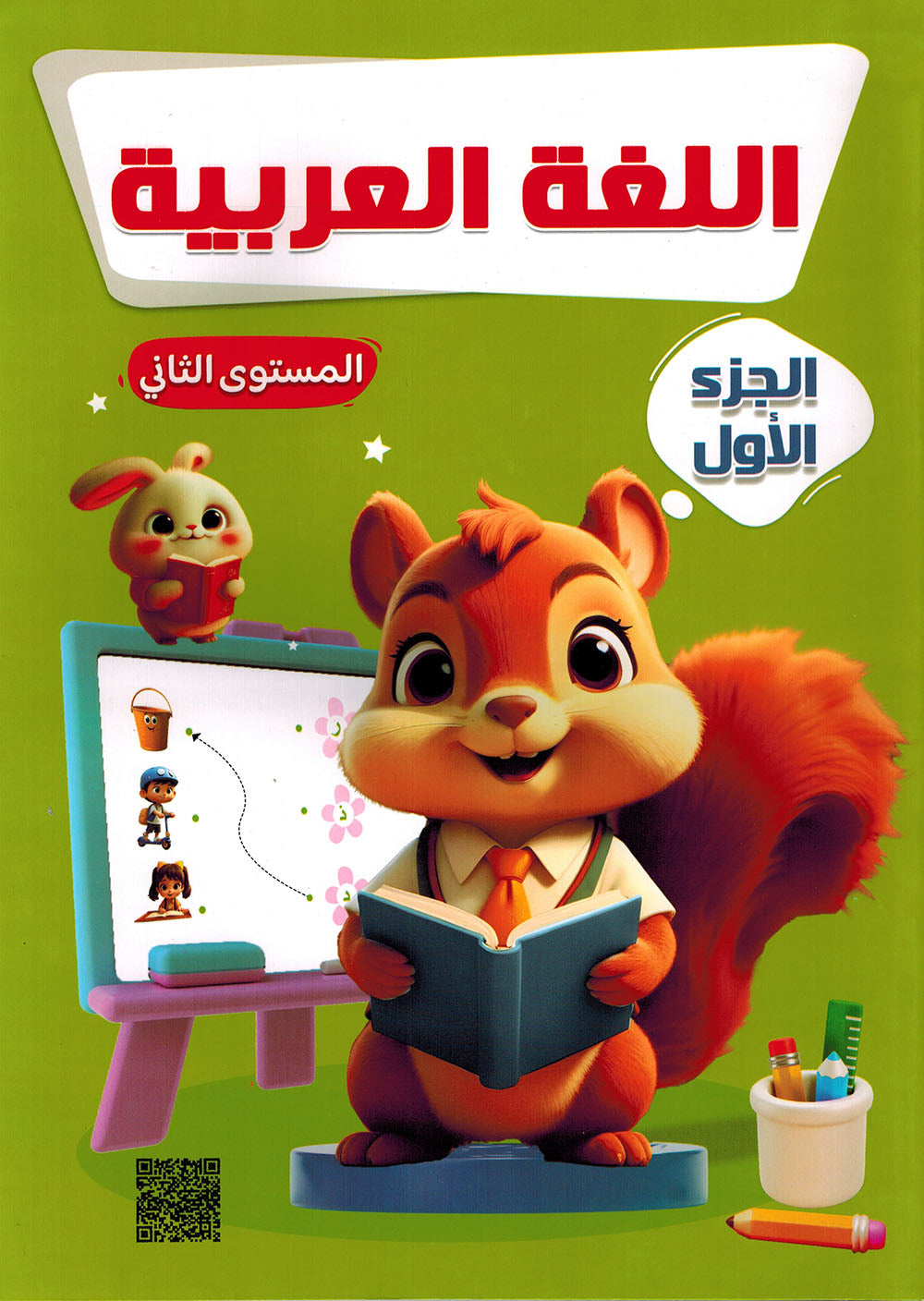


Arabic Language Textbook KG – Level 2, Part 1
اللغة العربية – كتاب الطالب المستوى الثاني – الجزء الأول
Arabic Language KG – Level 2, Part 1 (اللغة العربية – المستوى الثاني – الجزء الأول) is designed to help young learners progress from recognizing Arabic letters to reading, pronouncing, and writing letters within words and simple sentences.
In this first part of Level 2, children study the Arabic letters from Alif (أ) through Ḍād (ض) while learning how letters are pronounced with the basic Arabic vowel marks, how their shapes change according to their position within a word, and how they combine to form words.
The book introduces these skills gradually through clear examples, child-friendly illustrations, and a wide variety of exercises, helping children strengthen the foundation needed for early Arabic reading and writing.
The remaining Arabic letters and skills continue in Arabic Language KG – Level 2, Part 2.
Arabic Language Textbook KG – Level 2, Part 2 ➡️
Learning Arabic Letters with Short Vowels
An important focus of this level is helping children move beyond simply recognizing letters and begin understanding how letters are pronounced with different vowel marks (الحركات).
From أ to ض, students practice letters with:
-
Fatḥah (الفتحة َ)
-
Kasrah (الكسرة ِ)
-
Ḍammah (الضمة ُ)
-
Sukūn (السكون ْ)
Each concept is reinforced with words, illustrative pictures, examples, and exercises, helping children connect the written letter and vowel mark with the appropriate sound.
This develops an important bridge between letter recognition and actual Arabic reading.
Letter Positions Within Words
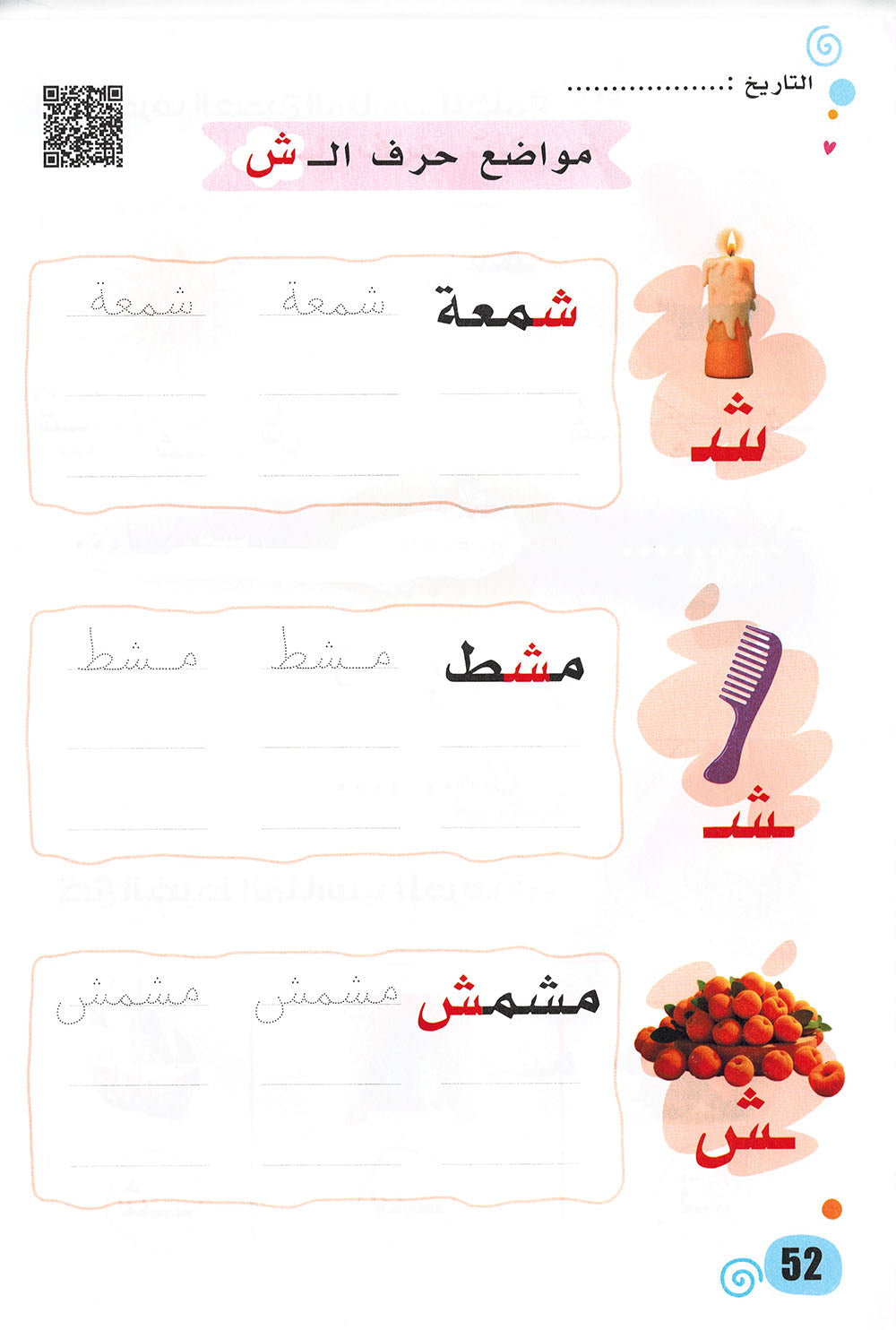
Arabic letters can appear differently depending on their position within a word. This book introduces children to the different positions and forms of letters, helping them recognize letters when they appear:
-
At the beginning of a word
-
In the middle of a word
-
At the end of a word
Words, illustrations, and exercises accompany these lessons so children can practice identifying and using letters in different positions rather than recognizing them only in isolation.
Learning the Long Vowels
Students are also introduced to the Arabic long vowels (حروف المد) and learn how they affect pronunciation and reading.
The book teaches:
-
Long ā sound – الألف المدية (ا)
-
Long ī sound – الياء المدية (ي)
-
Long ū sound – الواو المدية (و)
Each long vowel is presented through explanations, examples, words, and exercises, giving children repeated opportunities to recognize and practice the difference between short and long vowel sounds.
Building Early Arabic Language Skills
In addition to letter and vowel instruction, the book begins introducing children to important basic Arabic language concepts.
Demonstrative Pronouns – أسماء الإشارة
Children are introduced to:
-
هذا – used with masculine singular nouns
-
هذه – used with feminine singular nouns
The concepts are supported by explanations, examples, and exercises that help students understand how these words are used in simple Arabic expressions and sentences.
Singular & Plural – المفرد والجمع
The book introduces the basic concept of singular and plural, supported by examples and exercises that help children begin recognizing the relationship between words representing one and more than one.
Simple Sentence Writing
As students become more comfortable recognizing and writing words, they begin practicing simple Arabic sentences.
This helps children gradually progress from individual letters and words toward meaningful written language.
Extensive Practice & Reinforcement
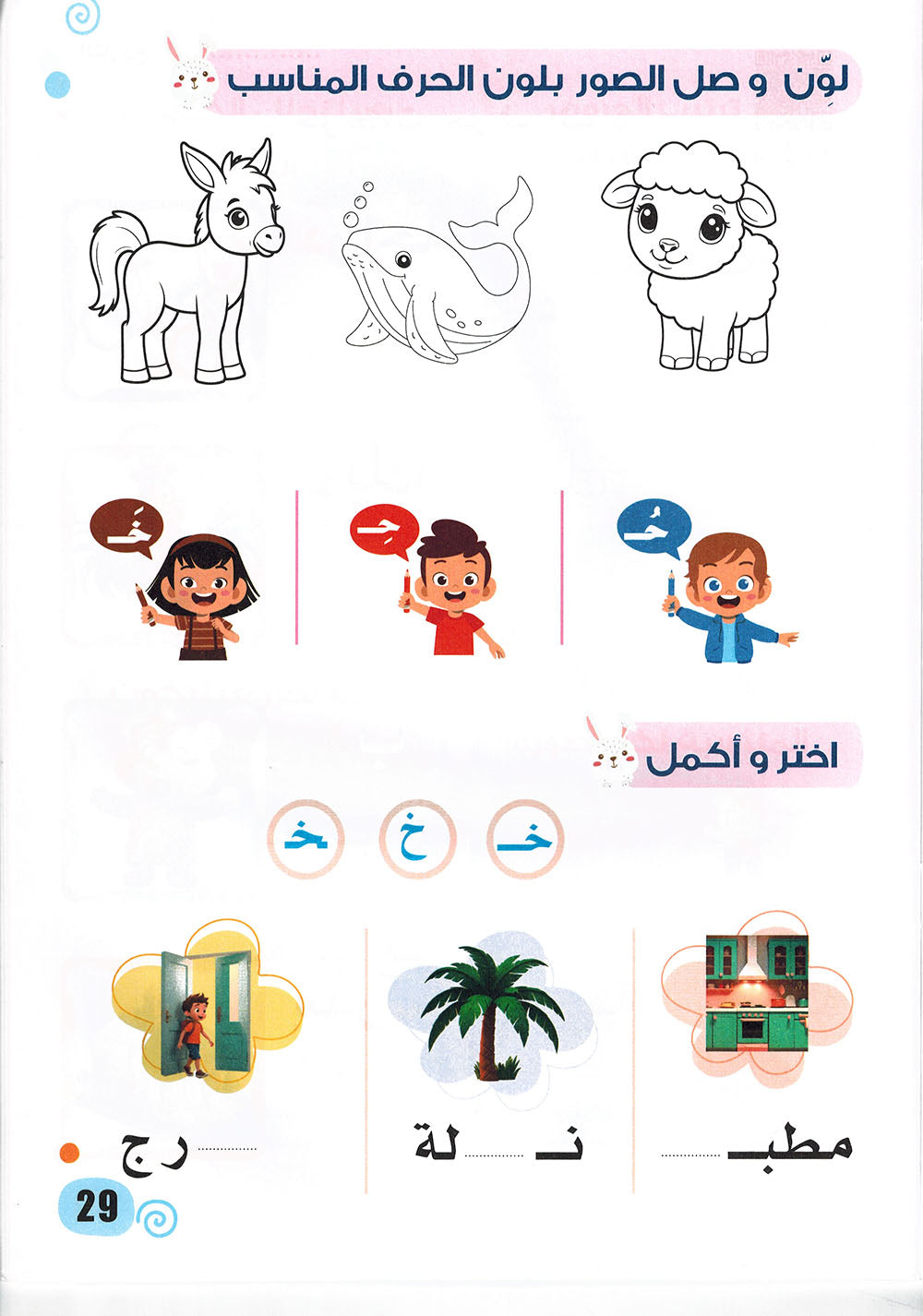
A major feature of the book is the variety of exercises provided throughout the lessons. These activities reinforce the material and give children repeated opportunities to apply what they have learned.
Exercises include:
-
Matching and connecting activities
-
Coloring activities
-
Adding the correct vowel marks
-
Word analysis exercises
-
Choosing the missing letter
-
Arranging letters in the correct order
-
Writing words
-
Practice with letter positions
-
Practice with short and long vowels
-
Simple sentence-writing activities
The variety of activities helps reinforce reading, pronunciation, letter recognition, word formation, and handwriting skills while keeping young learners actively involved in the learning process.
Continue with Textbook Part 2
This book is Part 1 of the Level 2 textbook and covers the letters from أ through ض.
Students continue their Level 2 studies with:
Arabic Language KG – Level 2, Part 2
➡️ View Textbook Part 2
Part 2 continues the program with the remaining Arabic letters and builds upon the reading and language skills introduced in this book.
Companion Workbooks – Two Parts
Level 2 is also supported by a companion workbook divided into two parts, providing additional practice and reinforcement alongside the textbooks.
Level 2 Workbooks
Arabic Language KG – Level 2 Workbook, Part 1➡️
Arabic Language KG – Level 2 Workbook, Part 2➡️
Using the Textbooks and Workbooks together provides children with additional opportunities to practice reading, writing, vowel marks, letter positions, word formation, and other skills introduced throughout Level 2.
From Letters to Words & Simple Sentences
Arabic Language KG – Level 2, Part 1 helps young learners make an important transition from knowing individual Arabic letters to reading and working with letters inside words.
Through the study of short vowels, letter positions, long vowels, basic language concepts, word formation, and simple sentence writing, children gradually develop a stronger understanding of how written Arabic works.
Combined with Textbook Part 2 and the two companion Workbooks, Level 2 provides a structured program for strengthening the foundational reading and writing skills children need as they continue learning Arabic.
اللغة العربية – المستوى الثاني – الجزء الأول
Arabic Language KG – Level 2, Part 1
«اللغة العربية – المستوى الثاني – الجزء الأول» هو كتاب تعليمي مصمم لمساعدة الأطفال على الانتقال من مرحلة التعرف إلى الحروف العربية إلى مرحلة قراءة الحروف ونطقها وكتابتها داخل الكلمات والجمل البسيطة.
يتعلم الطفل في هذا الجزء حروف اللغة العربية من حرف الألف (أ) حتى حرف الضاد (ض)، مع التعرف إلى نطق الحروف مع الحركات الأساسية، وأشكال الحروف بحسب موقعها في الكلمة، وكيفية استخدامها في تكوين الكلمات.
ويقدم الكتاب هذه المهارات بصورة متدرجة من خلال الأمثلة الواضحة، والصور التوضيحية المناسبة للأطفال، ومجموعة متنوعة من التدريبات والأنشطة التي تساعد على ترسيخ المهارات الأساسية للقراءة والكتابة باللغة العربية.
وتُستكمل بقية الحروف والمهارات في كتاب اللغة العربية – المستوى الثاني – الجزء الثاني.
➡️ اللغة العربية – المستوى الثاني – الجزء الثاني
تعلم الحروف العربية مع الحركات
من أهم أهداف هذا المستوى مساعدة الطفل على الانتقال من مجرد التعرف إلى شكل الحرف إلى فهم كيفية نطقه مع الحركات المختلفة.
ويتدرب الطفل على الحروف من أ إلى ض مع:
-
الفتحة (َ)
-
الكسرة (ِ)
-
الضمة (ُ)
-
السكون (ْ)
وتُدعَّم كل مهارة بـ الكلمات والصور التوضيحية والأمثلة والتدريبات، مما يساعد الطفل على الربط بين شكل الحرف والحركة والصوت الصحيح.
وبذلك يبدأ الطفل في الانتقال تدريجيًا من مرحلة التعرف إلى الحروف إلى مرحلة القراءة الفعلية للكلمات العربية.
أشكال الحروف ومواقعها في الكلمة
تتغير أشكال كثير من الحروف العربية بحسب موقعها داخل الكلمة، ولذلك يعرّف الكتاب الطفل إلى أشكال الحروف في مواقعها المختلفة.
ويتدرب الطفل على التعرف إلى الحرف عندما يأتي:
-
في بداية الكلمة
-
في وسط الكلمة
-
في نهاية الكلمة
وتصاحب هذه الدروس كلمات وصور وتدريبات متنوعة تساعد الطفل على التعرف إلى الحروف واستخدامها داخل الكلمات، بدلًا من معرفتها في صورتها المنفردة فقط.
تعلم حروف المد
يتعرف الطفل كذلك إلى حروف المد وكيفية استخدامها في القراءة والنطق.
ويتناول الكتاب:
-
المد بالألف (ا)
-
المد بالياء (ي)
-
المد بالواو (و)
وتُقدَّم هذه المهارات من خلال الشروح والأمثلة والكلمات والتدريبات، حتى يستطيع الطفل التمييز تدريجيًا بين الحركات القصيرة وأصوات المد الطويلة أثناء القراءة.
تنمية المهارات اللغوية الأساسية
إلى جانب تعلم الحروف والحركات، يبدأ الكتاب في تعريف الطفل بعدد من المفاهيم الأساسية في اللغة العربية.
أسماء الإشارة
يتعلم الطفل استخدام:
-
هذا – للمفرد المذكر
-
هذه – للمفرد المؤنث
وتُقدَّم هذه المفاهيم من خلال الشرح والأمثلة والتدريبات التي تساعد الطفل على استخدامها في تعبيرات وجمل عربية بسيطة.
المفرد والجمع
يقدم الكتاب مفهوم المفرد والجمع بصورة مبسطة، مع أمثلة وتدريبات تساعد الطفل على البدء في التمييز بين الكلمات التي تدل على واحد والكلمات التي تدل على أكثر من واحد.
التدريب على كتابة الجمل البسيطة
بعد اكتساب مزيد من المهارة في التعرف إلى الحروف والكلمات وكتابتها، يبدأ الطفل بالتدرب على كتابة جمل عربية بسيطة.
ويساعد ذلك على الانتقال التدريجي من التعامل مع الحروف والكلمات المنفردة إلى استخدامها في لغة مكتوبة ذات معنى.
تدريبات متنوعة لترسيخ التعلم
يتميز الكتاب باحتوائه على عدد كبير من التدريبات والأنشطة المتنوعة التي تساعد الطفل على مراجعة المعلومات وتطبيق المهارات التي تعلمها.
وتشمل التدريبات:
-
تمارين التوصيل والمطابقة
-
أنشطة التلوين
-
تمارين وضع الحركات المناسبة
-
تمارين تحليل الكلمات
-
اختيار الحرف الناقص
-
ترتيب الحروف
-
كتابة الكلمات
-
التدريب على مواقع الحروف داخل الكلمات
-
التدريب على الحركات القصيرة وحروف المد
-
التدريب على كتابة الجمل البسيطة
ويساعد تنوع الأنشطة على ترسيخ مهارات القراءة والنطق والتعرف إلى الحروف وتكوين الكلمات والكتابة، مع تشجيع الطفل على المشاركة والتطبيق المستمر.
استكمال المستوى مع كتاب الطالب – الجزء الثاني
هذا الكتاب هو الجزء الأول من كتاب الطالب للمستوى الثاني، ويغطي الحروف من أ إلى ض.
ويستكمل الطفل دراسته من خلال:
اللغة العربية – المستوى الثاني – الجزء الثاني
➡️ عرض كتاب الطالب – الجزء الثاني
ويواصل الجزء الثاني تقديم بقية الحروف العربية والبناء على مهارات القراءة واللغة التي بدأ الطفل في تعلمها في هذا الجزء.
كتاب النشاط المصاحب – جزآن
يصاحب المستوى الثاني أيضًا كتاب نشاط مقسم إلى جزأين، يوفر للطفل مزيدًا من التدريبات والتطبيقات التي تعزز ما يتعلمه في كتاب الطالب.
كتابا النشاط للمستوى الثاني
اللغة العربية – كتاب النشاط – المستوى الثاني – الجزء الأول➡️
اللغة العربية – كتاب النشاط – المستوى الثاني – الجزء الثاني➡️
ويساعد استخدام كتابَي الطالب مع جزأي كتاب النشاط على توفير فرص إضافية للتدريب على القراءة والكتابة والحركات وأشكال الحروف وتكوين الكلمات وغيرها من المهارات التي يتناولها المستوى الثاني.
من الحروف إلى الكلمات والجمل البسيطة
يساعد «اللغة العربية – المستوى الثاني – الجزء الأول» الطفل على الانتقال من معرفة الحروف العربية بصورة منفردة إلى قراءتها والتعامل معها داخل الكلمات.
ومن خلال تعلم الحركات، وأشكال الحروف في مواقعها المختلفة، وحروف المد، وبعض المفاهيم اللغوية الأساسية، وتكوين الكلمات، وكتابة الجمل البسيطة، يكتسب الطفل تدريجيًا فهمًا أعمق لطريقة قراءة اللغة العربية وكتابتها.
ومع كتاب الطالب – الجزء الثاني وجزأي كتاب النشاط المصاحبين، يقدم المستوى الثاني برنامجًا متدرجًا يساعد الطفل على بناء المهارات الأساسية التي يحتاج إليها لمواصلة تعلم القراءة والكتابة باللغة العربية بثقة.


